

Insulate From Summer Melt
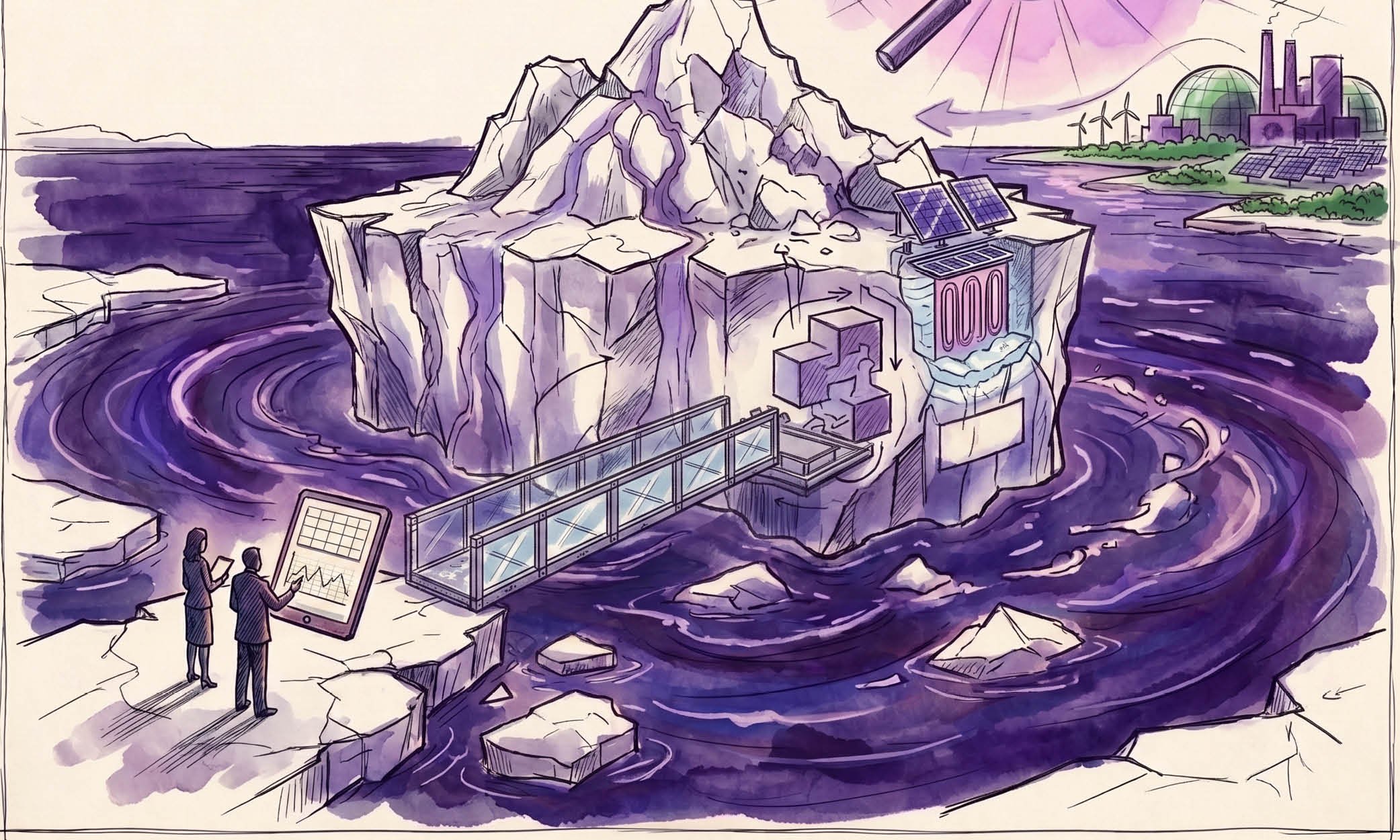
By late June, your team is exhausted, and your admitted students are anxious, uncertain, and weighing a serious financial and life decision. Instead of pivoting to a flashy new initiative, this is the time to protect against summer melt. That means keeping your proven work running, minimizing end-of-year distractions, and removing the small points of friction that make uncertain students drift away.
The Case for Subtraction
We tend to think the solution to summer melt is a massive new strategy. But according to EAB's 2022 State of the Sector research, summer melt drives nearly a quarter of nonconsumption. Protecting these students is not about adding more noise; it is an operational game against confusion, fear, and vague deadlines.
Research from Stanford Graduate School of Business professors Robert Sutton and Hayagreeva Rao gives this problem a useful name: "addition sickness." It is the habit of piling on new tools, rules, roles, and processes instead of simply removing existing obstacles. When leaders want to fix a problem, they often default to adding new initiatives. The most effective move right now is subtraction. Remove the bad links, confusing steps, and internal distractions that actively prevent people from taking action.
The Insulation Playbook
Do not tear down the system or buy new software in June. Focus on the small, broken things that interrupt the flow. Here are four unglamorous moves that can help insulate your class. No one gets an award for turning off a bad automated email, but a student might enroll because of it:
Check the links
Audit the automations
Identify the owner
Engage the quiet admits
Share Data to Follow Up Like Humans
Students do not experience marketing and recruitment as separate departments. They experience one institution, either paying attention or not. Before you roll out another tactic, get your stakeholders in a room and set specific expectations about who owns what in the communication flow.
According to the 2025 Graduate Enrollment Management Trends report by NAGAP, 78% of students strongly agree that a personalized admissions experience influenced their decision, but an alarming 58% report they rarely receive such treatment. If students want personalization and rarely get it, the issue is not just messaging. It is about whether marketing and recruitment share enough data to follow up as humans do. That personalization happens only when marketing provides the right behavioral data to recruitment counselors for targeted outreach.
Share Your Thoughts, Let's Connect!
Anti-melt work does not always look impressive. Sometimes it looks like cleaning up a bad handoff, rewriting one confusing sentence, or making sure someone actually owns the reply. In late June, the people saving the class are often the ones doing the least glamorous work. What unglamorous fix protected your yield this year? Connect with me on LinkedIn and let me know.
Read More
The following pieces of research, web pages, and organizational data were used to create this article, providing transparency and allowing you to explore the findings further:
EAB. "Growing Amidst the Great Opt-Out: State of the Sector for Small and Regional Universities." Washington, DC: EAB, 2022.
NAGAP / Halda.ai. "2025 Graduate Enrollment Management Trends: Highlights from the Report." 2025.
Stanford Graduate School of Business. "Workplace Friction: How to Make the Right Things Easier and the Wrong Things Harder." By Robert Sutton and Hayagreeva Rao. December 2023.
Borrow My Notes
I’ve collected observations and reflections on marketing, communications, and recruitment for more than 20 years. That archive inspired me to share these insights through this blog. Here are my own thoughts from the collection that helped shape this article:
"People more now than ever are afraid of making a mistake with their time and finances, so you have to put all of your value up front to overcome that skepticism."
"Preventing melt is not just about spending more money; this is a creative game that can be won with strategic thinking."