

The Bob Gill Principle

Early in my career, I took two years of evening graphic design classes at Parsons while working there in admissions. Bob Gill taught two of those classes and what stuck with me was his strict discipline around defining the problem before designing the solution.
About Bob Gill
Bob Gill was an iconic American graphic designer, illustrator, and educator whose work fundamentally changed the way approach visual and communications problem-solving. Born in New York in 1931, he began his career freelancing for prominent publications like Esquire, Fortune, and Glamour before moving to London in 1960. There, he co-founded the legendary design agency Fletcher/Forbes/Gill, which eventually evolved into the globally recognized firm Pentagram. His philosophy is that design is not merely about making things look pretty, but rather about clearly defining and solving a specific communication problem.
Throughout his multifaceted career, Gill extended his creative reach into filmmaking, teaching, and writing. He taught at prestigious institutions such as the School of Visual Arts and the Parsons School of Design.
Here is a list of notable books written or co-authored by Bob Gill:
Define the Real Problem
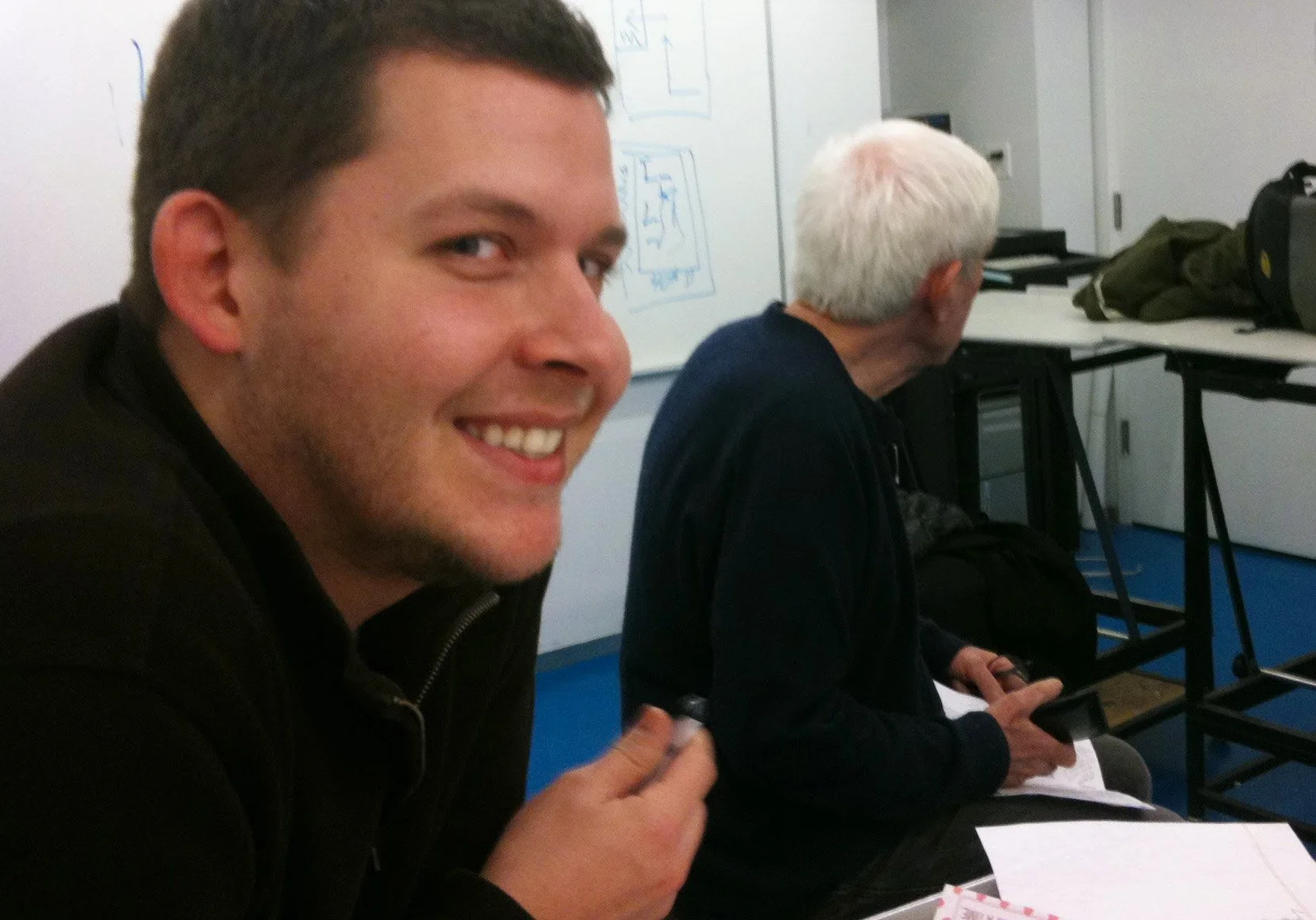
The legendary designer Bob Gill operated on a simple premise: unless you spend the time to define the right problem, you will never design the right solution.
Designers shoukdn’t solve the wrong problem beautifully, and marketers cannot fix a broken process without figuring this out.
Avoid Quick Fixes
Doing this correctly requires slowing down. True strategic inquiry means pausing to watch how staff actually use a CRM or asking admissions exactly where students get stuck. You need to review whether your efforts address a real concern or is a process only existing because "we have always done it that way."
Build Intentional Workflows
Sometimes the most effective fix is simply to remove a confusing step from your current workflow rather than add another tool. When you demand clear ownership and simple measurement, you force your team to think critically about the user experience. By reducing unnecessary steps, you ensure that the tools you eventually purchase serve your core strategy, not the other way around.
The principle lesson I carried from Bob Gill is that identifying the right questions to ask, leads you to the real challenge you are looking to solve. And having that clarity helps you find a variety of solutions that could work.
Quote Me on That
From working in this industry for more than 20 years, I’ve collected countless notes, ideas, and scribbled thoughts along the way. That archive is what led me to create this blog. Here are a few of my own original quotes from that treasure trove that inspired this article:
"Unless you spend the time to define the right problem, you will never design the right solution."
“You have to define what success looks like before you create it.”
"Elevating design isn’t about being fancy. It is about understanding the work clearly enough to improve it."
Let's Discuss It!
What was something you learned from a mentor that eventually stuck with you? How do you ensure your team has clearly defined the real problem? Let me know! Drop me a message on LinkedIn.